

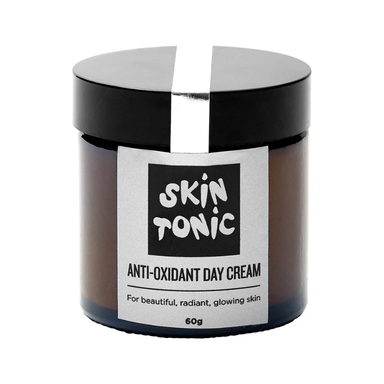
$36.41

Healthy skin is built from the inside, and the surface you see is really a readout of four things happening underneath: collagen production in the dermis, the integrity of the skin barrier, the balance of oil and inflammation, and — increasingly recognised — the state of the gut. Topicals work on the outermost layer; nutrition works on the machinery that produces healthy skin in the first place. Our skin collection brings together the nutrients that support skin from within.
One of the most useful shifts in skin thinking is that the gut and skin are linked. An imbalanced microbiome and a leaky gut barrier drive low-grade systemic inflammation that surfaces — quite literally — as breakouts, redness and reactivity. This is why addressing skin often means addressing digestion too. See Digestion & Gut Health.
Anyone supporting skin clarity, firmness and hydration from within — through ageing, breakouts, sensitivity, or simply wanting a healthy complexion.
Why take vitamin C with collagen? Vitamin C is a required cofactor for collagen synthesis — without it the body can't assemble collagen efficiently, however much raw material it's given. Pairing them is sound biology.
What is the gut–skin axis? The balance of the gut microbiome influences systemic inflammation, which shows up in the skin — which is why gut and skin are so often worked on together.
How long until I see a difference? The surface skin renews on roughly a 4–6 week cycle, but dermal collagen rebuilds more slowly — most people allow 8–12 weeks of consistent support.
Browse our full skin collection below. Always read the label and use only as directed. Avoid high-dose vitamin A in pregnancy. If symptoms persist, consult your healthcare professional.

Primal Nature’s Rosehip Rosewater Facial Toner is a natural beauty product that is used after cleansing or exfoliating to prepare your face for mo...
View full details

Nutraviva Collagen Enriched Bone Broth powder is made using specially selected grass fed and pasture raised New Zealand cattle bones which are rich...
View full details Save 10%
A soothing after sun mist to heal skin + protect collagen. Soothe your sun-drenched face, calm redness and cool down hot irritated skin with this u...
View full details Save 10%
A soothing after sun mist to heal skin + protect collagen. Soothe your sun-drenched face, calm redness and cool down hot irritated skin with this u...
View full details Save 10%
Turn back time and reduce the appearance of enlarged pores, pigmentation, fine lines and dullness with this multi-tasking serum that plumps, brigh...
View full details
After countless months of research & development, we've created what we believe is the greatest natural, ultra-clean and nutritionally superior...
View full details
After countless months of research & development, we've created what we believe is the greatest natural, ultra-clean and nutritionally superior...
View full details
A fast-acting clay mask that detoxes, purifies and soothes acne-prone skin.Specifically formulated with French green clay, Great Barrier Reef mine...
View full details
Hydrate, balance & renew your skin. Specially formulated for blemish prone skin featuring Vitamin B5, jojoba, aloe vera & vitamin E. Say ...
View full details
 Sold out
 Sold out
 Sold out
A replenishing berry-flavoured superfood powder designed with Kakadu Plum, Davidson Plum & VERISOL® Collagen to support skin, hair and nail he...
View full details Sold out
A naturopath-formulated blend designed with nourishing Australian plants and other ingredients, including collagen, that can help to improve your s...
View full details Sold out
A naturopath-formulated blend designed with nourishing Australian plants and other ingredients, including collagen, that can help to improve your s...
View full details Sold out
Reverse damage and restore skin with this intensely hydrating mask that provides visible results after one use. Niacinamide, collagen peptides, vi...
View full details Sold out
Nourish your skin, hair and nails from within with Collagen Beauty™, a naturopathically formulated blend to help you glow from the inside out with ...
View full details Sold out
After countless months of research & development, we've created what we believe is the greatest natural, ultra-clean and nutritionally superior...
View full details Sold out
Deeply cleanse and unclog pores with skinB5's gently, non-drying scientific formula made for all skin types.The perfect balance of <0.5% Salicy...
View full details
 Sold out
Product Attributes Additional Information Brand: LOCAKO

 Sold out
Product Attributes Additional Information Brand: LOCAKO